Is Duolingo ABC Worth It in 2026? Honest Review for Parents
Imagine this: you buy another “reading app” for your child, open it, and then… silence. Your toddler stares at the screen, swipes, giggles at the cartoons, but five months later they still can’t read “cat.” Sound familiar?
In the United States, roughly 65% of 4th‑graders read below grade level, and early literacy gaps widen if unaddressed. That’s why parents are desperate for tools that are actually effective, not just flashy. Enter Duolingo ABC—a free, gamified app promising to teach kids to read from preschool through early elementary.
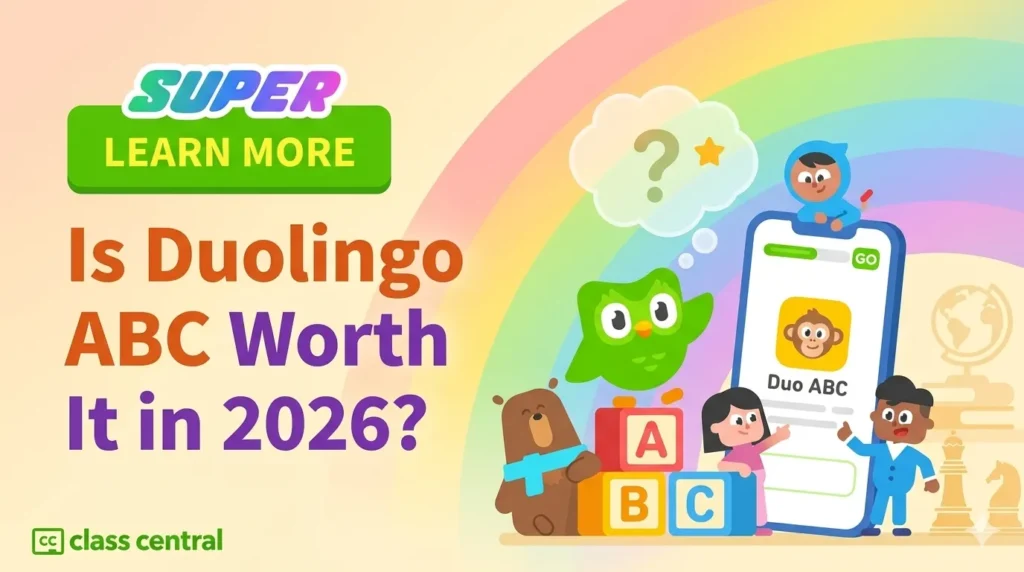
This review cuts through the hype and answers the real question: is Duolingo ABC actually worth your child’s time and screen minutes in 2026—especially if you’re a busy parent in the US?
What exactly is Duolingo ABC?
Duolingo ABC (officially “Learn to Read – Duolingo ABC”) is a mobile‑only app designed to help young children learn to read in English using a game‑like, bite‑sized lesson format. Instead of long tutorials, kids get short, colorful exercises that build phonics, sight words, and basic comprehension in quick 3–5 minute sessions.
It’s built for ages 3–7 (roughly pre‑K to about 2nd grade) and positions itself as a fun, no‑pressure way to practice reading at home in the US. The app is made by Duolingo, already known for its language‑learning method, so it leans heavily on gamification, rewards, and repetition to keep kids engaged.
The real literacy problems it tries to solve
For US parents, two big pain points keep coming up:
- “Kids hate reading.”
Many children view reading as homework, not play. Traditional books, worksheets, and even some “educational” apps feel boring or confusing. Duolingo ABC tries to fix this by turning letter recognition, phonics, and simple words into mini‑games with sound effects, animations, and instant feedback. - “Parents don’t trust apps with my child’s learning.”
With so many free but low‑quality apps online, parents worry about data safety, ads, and shallow learning. Duolingo ABC is 100% free, no ads, and funded by Duolingo, which helps parents feel more comfortable letting kids use it daily.
The app also speaks directly to the US literacy crisis: roughly 25 million children in the country struggle to read proficiently, and many parents feel they have no simple, affordable tools at home.
My experience & feature breakdown
From a parent’s standpoint, here’s what Duolingo ABC actually offers—and how it feels to a child:
- Alphabet & phonics foundation
The app starts with letter recognition, then quickly moves to sounds, CV and CVC words, and simple sentences. For a US toddler who barely knows the alphabet, this is huge—it’s like having a patient phonics tutor that never gets tired. - Short, game‑style lessons
Lessons are self‑paced mini‑games: tap the correct letter, match sounds, drag letters to form words, and read tiny sentences inside interactive stories. The repetition is spaced out, which helps with memory, while the visuals and rewards boost motivation. - Stories and reading practice
After mastering basics, kids move into short stories where they read 2–3 sentences at a time. These are simple, picture‑supported, and scaffolded so children don’t feel lost. For US families without a lot of physical books at home, this is a low‑friction way to build reading stamina. - Engagement and motivation
Like the main Duolingo app, Duolingo ABC uses streaks, stars, and cute characters to keep kids coming back. Parents in the US report that kids often ask for “one more lesson” instead of “just more games.
What’s missing?
Unlike some competitors, there’s no parent dashboard, no detailed analytics, and no teacher‑style corrections when a child makes the same mistake repeatedly. You still need to sit with them to truly deepen understanding.
Does Duolingo ABC actually work?
Parents’ biggest fear: “Is this just busywork or will my child actually improve?”
A real 2021 study funded by Duolingo and run by the Education Development Center (EDC) tracked preschoolers using the app for about 9 weeks (roughly 1 hour per week). The results showed:
- 28% improvement in literacy scores after 9 weeks.
- After 2 months of use, kids gained literacy progress equivalent to what they would normally gain in 2 months of kindergarten in the US.
In other words, for a US child in preschool or early elementary, Duolingo ABC can meaningfully boost early reading skills when used consistently—even in small doses.
However, it’s not a magic wand. Kids still need real‑world reading practice, conversations with adults, and exposure to books. The app works best as a supplement, not a full curriculum.
Pros & cons (honest assessment)
Pros for US parents:
- 100% free, no ads, no in‑app purchases – rare for a polished early‑literacy app.
- Strong phonics foundation for beginner readers (3–7 years).
- High engagement for kids who like Duolingo’s style of lessons.
- Independent use possible for kids who are comfortable with a tablet.
- Evidence‑backed improvement in literacy scores after 6–9 weeks of regular use.
Cons to watch for:
- No parent dashboard or detailed progress reports – you can’t easily track what your child is struggling with.
- Limited age range: best for 3–7 years, with little challenge for strong or older readers.spellings+2
- No advanced vocabulary or comprehension beyond very simple sentences.
- No built‑in “why” explanations when a child makes mistakes; it flags correct/incorrect but doesn’t correct misconceptions.
- Repetition can feel tedious for quick learners or children who dislike gamified drills.apps.
Pricing: Free vs paid
For 2026, the core Duolingo ABC app is free for all US users.
- Free tier features:
- Full access to phonics lessons, letter recognition, and reading stories for ages 3–7.
- No ads, no in‑app purchases, no subscription required.
- Paid note (Duolingo Max):
Duolingo’s Max subscription (around $30/month) is for the main Duolingo language app, not Duolingo ABC. Max includes AI‑driven video conversations and speaking practice, but ABC itself remains free and does not require Max.
So if you’re a US parent in 2026, you can use Duolingo ABC at no cost indefinitely—no hidden paywalls for basic reading practice.
Who should use Duolingo ABC in 2026?
This app is best for:
- Ages 3–7 in the US (pre‑K through roughly 2nd grade) who are just starting to read.picture-
- Struggling readers who need extra phonics practice outside of school.
- Parents who want a free, low‑commitment tool to build daily reading habits without paying for a reading tutor.
- Kids who enjoy games and rewards and resist traditional “reading time.”
If your child is in US preschool, kindergarten, or 1st grade and still working on letter sounds, blending, and simple sight words, Duolingo ABC is an excellent starting point.
Who should NOT use it right now?
To be brutally honest, Duolingo ABC is not ideal for:
- Older readers (8+ years) who already read novels or chapter books comfortably.
- Advanced learners needing complex vocabulary, grammar, or writing practice—the app is strictly reading‑focused and basic.
- Parents who want deep analytics or teacher‑style feedback—there’s no dashboard to see skill gaps or mistakes.
- Families without a caregiver to occasionally guide the child—because the app doesn’t explain why an answer is wrong, some kids plateau without adult help.
In short: if your child is already reading fluently or you need data‑driven learning tracking, Duolingo ABC is not the right fit.
Duolingo ABC vs other us reading apps (quick comparison)
Here’s how it stacks up against popular alternatives parents in the US use in 2026:
If you’re a US parent on a budget, Duolingo ABC and Khan Academy Kids are the top free starting points.
FAQs
1. Is Duolingo ABC safe for US kids in 2026?
Yes. The app is designed for young children, has no ads, and does not require in‑app purchases. It’s widely used in US homes and schools as a safe, screen‑time‑friendly tool for early reading.
2. Is Duolingo ABC really free?
Yes. The core Duolingo ABC app is 100% free for all features in the US, with no paywalls or subscriptions.
3. Is it effective for struggling readers in the US?
Yes—research shows that kids using Duolingo ABC for about 9 weeks (1 hour per week) improved literacy scores by 28% and gained progress equivalent to 2 months of kindergarten. It’s not a replacement for a teacher, but a strong supplement for struggling readers.
4. Does it replace school or tutoring?
No. Duolingo ABC is best as a home‑practice tool. It supports skills taught in US classrooms but doesn’t replace teacher guidance, complex comprehension, or writing practice.
5. How much time should kids use it daily?
For US parents, 10–20 minutes per day works well. The app’s short lessons make it easy to fit into routines without screen‑time overload.
6. Is it good for English‑language learners (ELL) in the US?
Yes, for beginner English readers. The strong phonics and visual support help ELL kids build sound‑letter awareness, but you’ll still need real‑life speaking practice to round out language skills.
Final verdict
For US parents in 2026, Duolingo ABC is absolutely worth trying—especially if your child is 3–7, just starting to read, or struggling with phonics. It’s effective, free, and engaging, with real research backing its literacy gains. However, it’s not enough on its own; pair it with books, read‑aloud time, and adult guidance for the best results.

I’m a website professional with 5 years of experience in building, managing, and growing online content platforms. As the creator of DuolingoGuides.us, I focus on providing helpful, easy-to-understand guides and resources for Duolingo users and language learners. My goal is to make information simple, accurate, and accessible for everyone.